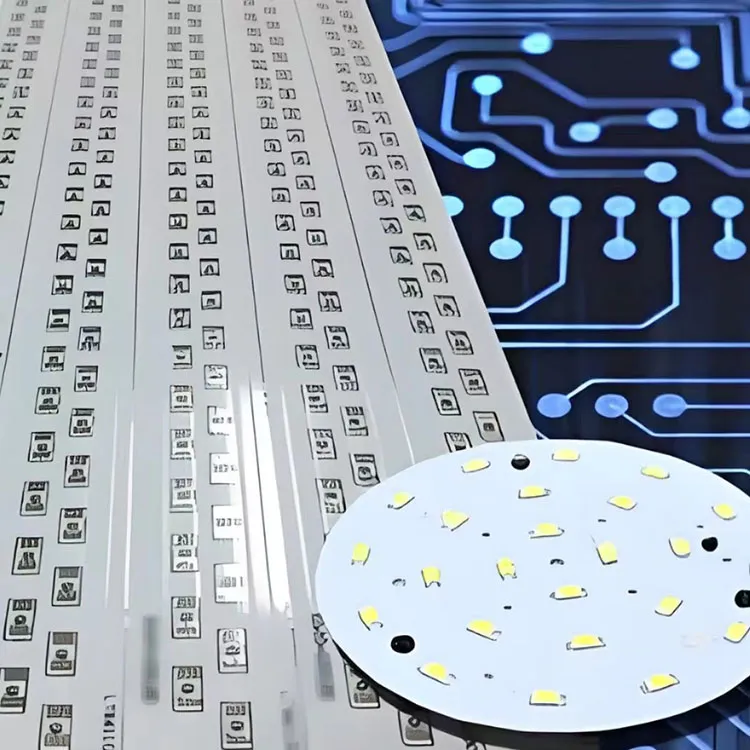
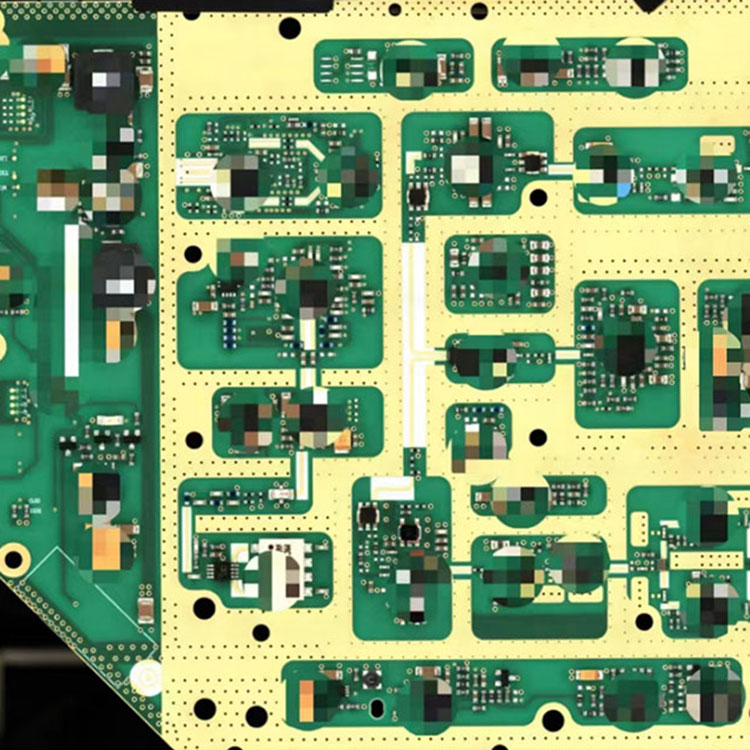
LED PCB is one of the most critical components behind modern lighting, display, and electronic systems. From residential lighting to automotive headlamps, from industrial indicators to smart city infrastructure, LED PCBs silently determine performance, lifespan, safety, and efficiency. Yet many buyers, engineers, and sourcing managers struggle with recurring issues such as heat dissipation, short lifespan, unstable brightness, and inconsistent quality. This article provides a complete, practical, and in-depth explanation of LED PCB, helping you make informed decisions and avoid costly mistakes.
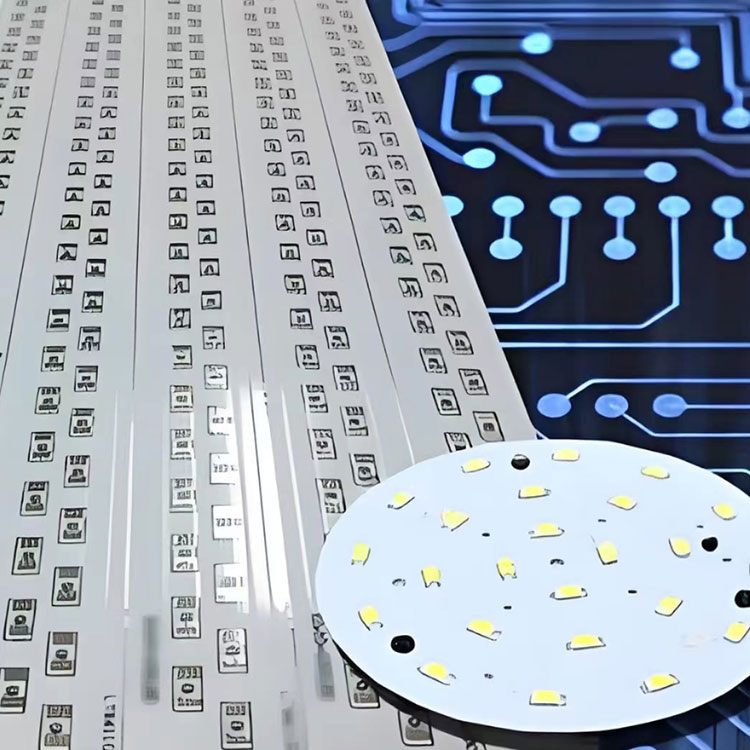
This article explains what an LED PCB is, how it works, and why it matters in real-world applications. It covers structure, materials, types, manufacturing processes, thermal management, quality control, and common customer pain points. By combining technical insight with application-oriented guidance, Hayner PCB Technology Co., Ltd. shares professional experience to help buyers select reliable LED PCB solutions that deliver long-term value and stable performance.
Unlike traditional bulbs, LEDs are semiconductor devices that require precise electrical control and effective heat dissipation. The LED PCB acts as both a mechanical support and an electrical platform, while also serving as a thermal pathway that removes heat away from LED chips.
Without a well-designed LED PCB, even the most expensive LED chips will fail prematurely. Excess heat leads to lumen depreciation, color shift, and sudden failure. This is why experienced manufacturers like Hayner PCB Technology Co., Ltd. treat LED PCB design as a system-level engineering challenge rather than a simple circuit board.
An LED PCB connects LED chips in a specific electrical configuration while managing power distribution and thermal flow. When current flows through the LEDs, a portion of electrical energy converts into light, while the rest becomes heat.
The LED PCB ensures:
At Hayner PCB Technology Co., Ltd., every LED PCB layout is optimized to balance brightness, efficiency, and reliability under real operating conditions.
LED PCBs can be categorized based on structure and application requirements.
| Type | Description | Typical Applications |
|---|---|---|
| Single-Sided LED PCB | Components mounted on one side, cost-effective | Basic lighting, indicator panels |
| Double-Sided LED PCB | Higher density and better routing flexibility | Commercial lighting, display modules |
| Aluminum LED PCB | Metal core for superior heat dissipation | High-power LED lamps, automotive lighting |
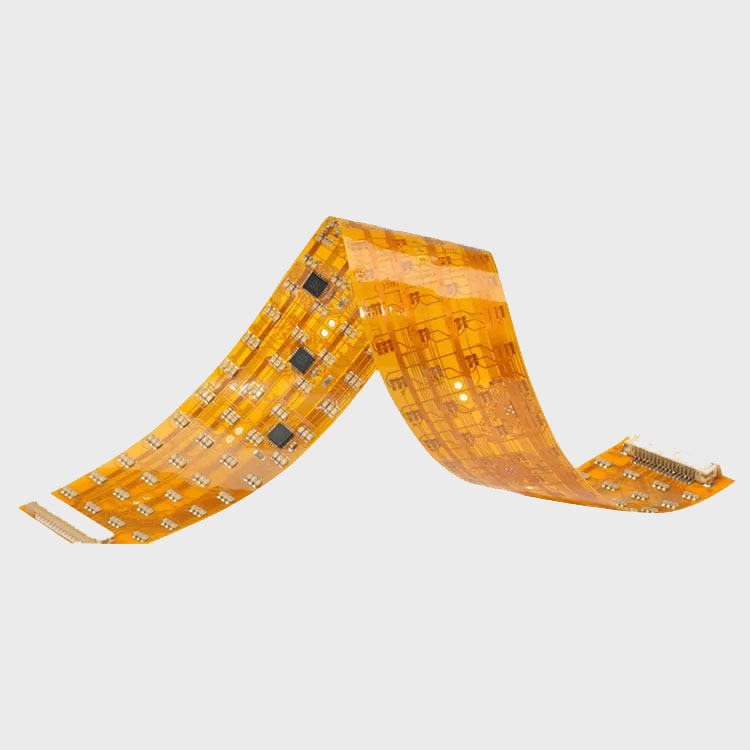
| Flexible LED PCB | Bendable structure for curved designs | Decorative lighting, wearable electronics |
Hayner PCB Technology Co., Ltd. customizes LED PCB types according to thermal load, mechanical constraints, and cost targets.
Material selection directly affects performance and lifespan. Common materials include:
For aluminum LED PCB, dielectric thickness and thermal conductivity are critical parameters. A small compromise in material quality can result in significant heat accumulation.
Hayner PCB Technology Co., Ltd. uses carefully selected substrates that maintain electrical insulation while maximizing thermal transfer.
Heat is the silent killer of LEDs. Studies and field experience show that for every 10°C increase in junction temperature, LED lifespan can be reduced by nearly half.
An effective LED PCB design addresses thermal challenges through:
This is where the engineering expertise of Hayner PCB Technology Co., Ltd. becomes especially valuable for demanding applications.
The manufacturing process of LED PCB involves multiple precision steps:
Each step influences final reliability. Poor process control often leads to delamination, uneven heat distribution, or solder failure.
Hayner PCB Technology Co., Ltd. applies strict process control to ensure consistency across large production volumes.
Many customers encounter similar issues when sourcing LED PCB:
These problems are rarely caused by LEDs alone. In most cases, the root cause lies in inadequate LED PCB design or manufacturing.
Selecting a reliable LED PCB supplier goes beyond price comparison. Key evaluation criteria include:
Hayner PCB Technology Co., Ltd. works closely with customers to understand application requirements and provide optimized solutions rather than generic boards.
LED PCBs are used across a wide range of industries:
Each application places different demands on LED PCB performance, making customization essential.
Reliability is not accidental; it is designed and verified. High-quality LED PCB undergoes multiple tests such as:
At Hayner PCB Technology Co., Ltd., quality control is integrated into every production stage to ensure long-term stability.
What is the difference between LED PCB and normal PCB?
LED PCB is specifically designed to manage heat and current for LEDs,
while normal PCB focuses mainly on electrical connectivity.
Why does aluminum LED PCB last longer?
Aluminum substrates dissipate heat more efficiently,
reducing thermal stress on LED chips.
Can LED PCB be customized?
Yes, dimensions, materials, thickness, and layouts can all be customized
to match application requirements.
How do I know if my LED PCB design is reliable?
Thermal simulation, material selection, and reliability testing
are key indicators of design quality.