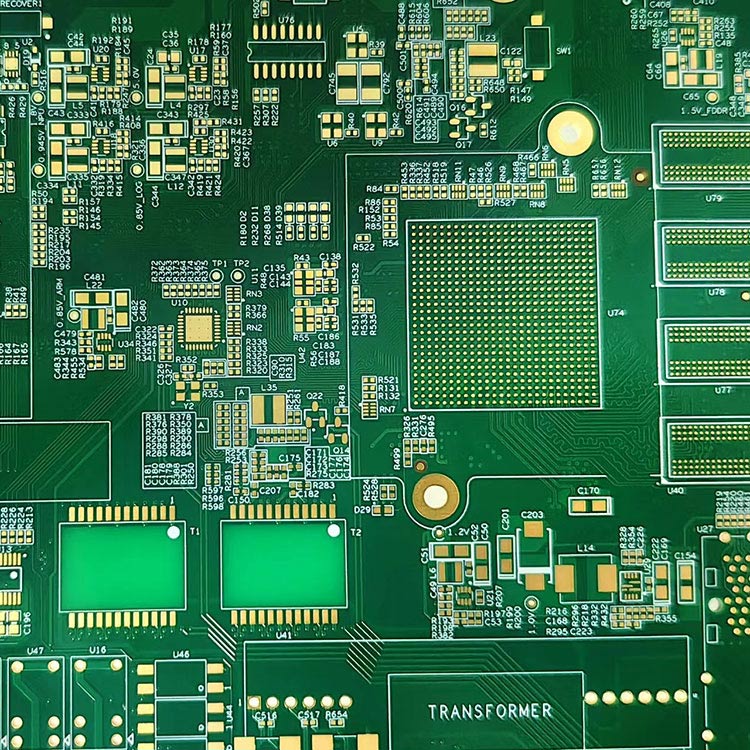
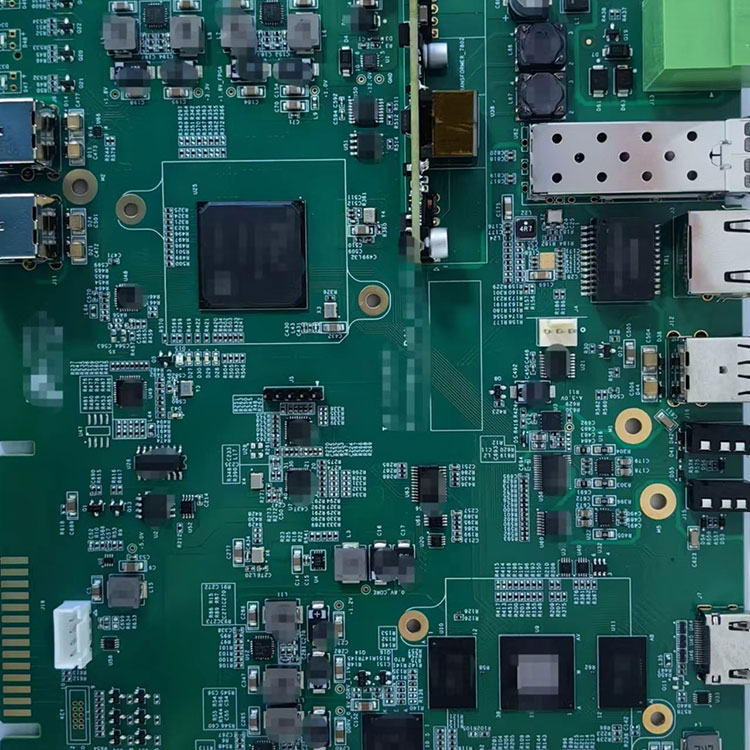
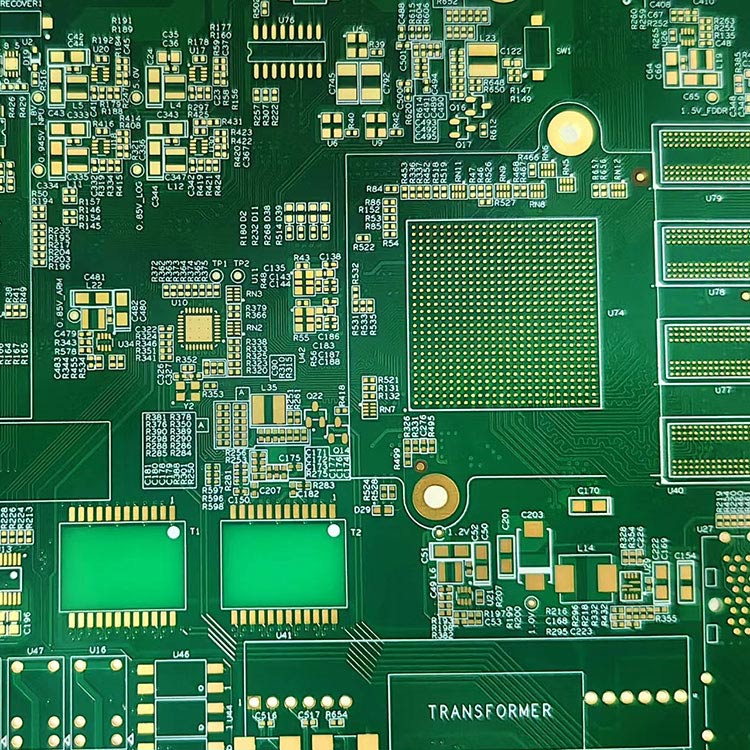
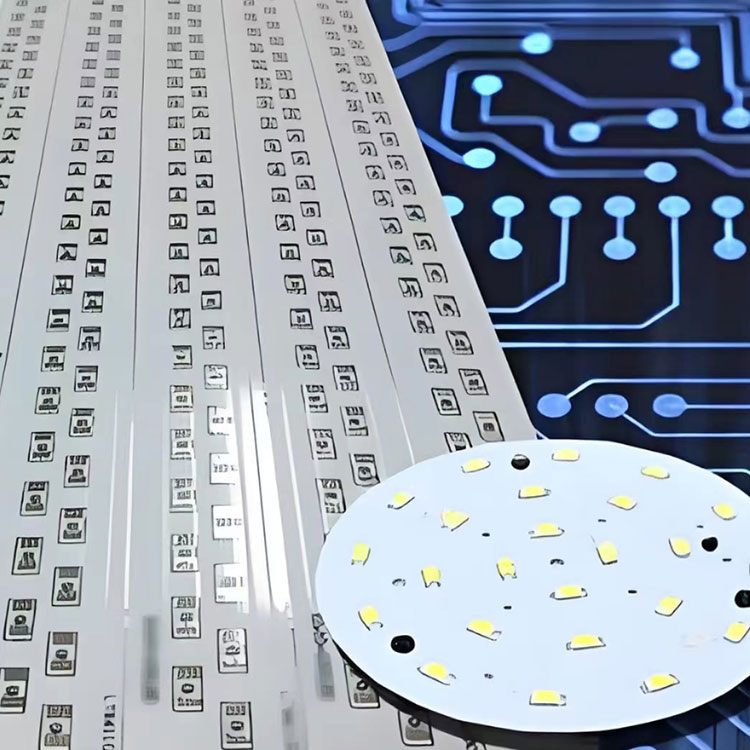
Modern industrial electronics demand stronger thermal performance, higher current capacity, and longer operational life. Standard printed circuit boards often struggle in high-power applications where excessive heat and electrical stress can lead to system failures. A Heavy Copper PCB is specifically engineered to solve these challenges by using thicker copper layers that improve conductivity, durability, and heat dissipation. From power supplies and automotive systems to renewable energy equipment and industrial automation, heavy copper technology has become a preferred solution for manufacturers seeking stable and long-lasting electronic performance.
This article explains how Heavy Copper PCB technology works, its major advantages, common applications, manufacturing processes, and the key factors buyers should evaluate before selecting a PCB supplier.
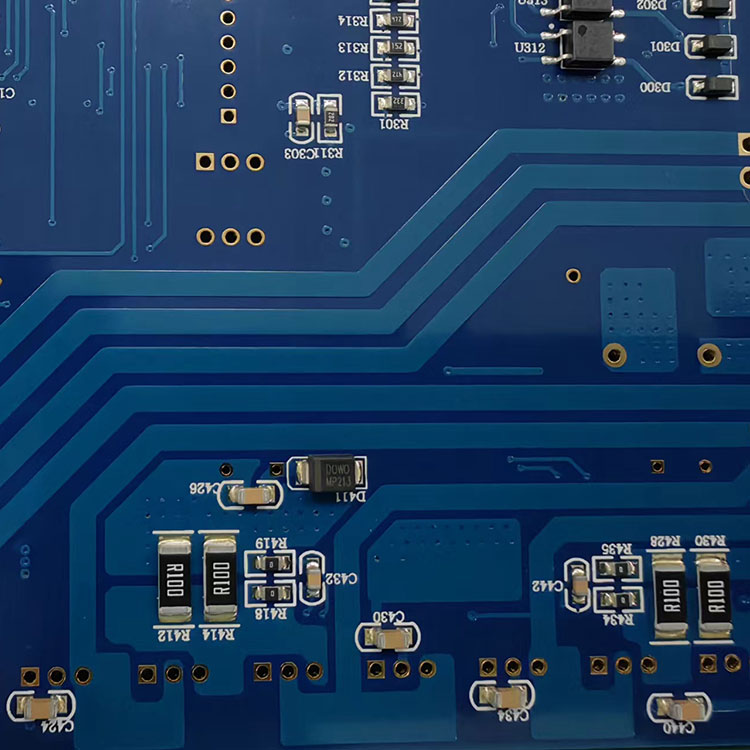
A Heavy Copper PCB is a type of printed circuit board that contains copper thickness exceeding the standard PCB copper weight. Traditional PCBs commonly use 1 oz copper, while heavy copper boards may use 3 oz, 6 oz, 10 oz, or even higher copper thickness depending on application requirements.
The thicker copper structure allows the PCB to handle significantly higher electrical currents while maintaining stable thermal management. These boards are commonly used in demanding environments where electrical performance, safety, and long-term reliability are critical.
| Copper Thickness | PCB Category | Typical Use |
|---|---|---|
| 1 oz | Standard PCB | Consumer electronics |
| 2 oz | Medium Copper PCB | Power control systems |
| 3 oz and above | Heavy Copper PCB | Industrial and high-current equipment |
As electronic devices become more powerful and compact, managing heat and current becomes increasingly difficult. Excessive thermal accumulation can reduce equipment lifespan, damage components, or cause complete system shutdowns.
Heavy Copper PCB technology addresses these concerns by offering:
For industries such as automotive electronics, aerospace systems, military equipment, and renewable energy, reliability is not optional. Heavy copper construction provides the structural integrity required for these mission-critical applications.
One of the biggest challenges in power electronics is heat management. Thick copper layers effectively transfer and distribute heat away from critical components, reducing operating temperatures and improving overall efficiency.
Heavy Copper PCB designs support higher electrical currents without overheating or damaging circuit traces. This makes them ideal for power conversion systems, battery management systems, and industrial motor controls.
The additional copper thickness increases board durability and resistance to vibration, thermal shock, and mechanical stress. This is especially important in harsh operating environments.
By reducing heat concentration and improving structural reliability, Heavy Copper PCBs help extend the service life of electronic systems and reduce maintenance costs.
Manufacturing heavy copper circuit boards requires specialized fabrication techniques and precise process control. Compared with standard PCB production, heavy copper boards involve more complex etching and plating procedures.
Because thicker copper is more difficult to process, manufacturers must maintain tight tolerances to avoid issues such as uneven etching, short circuits, or poor layer adhesion.
Heavy Copper PCB solutions are widely used across industries that demand high power density and operational stability.
| Industry | Application Examples |
|---|---|
| Automotive | Electric vehicles, charging systems, engine controls |
| Renewable Energy | Solar inverters, wind turbine controllers |
| Industrial Automation | Motor drives, robotic systems |
| Telecommunications | Power amplifiers and network infrastructure |
| Aerospace | Navigation and defense electronics |
| Feature | Standard PCB | Heavy Copper PCB |
|---|---|---|
| Copper Thickness | 1 oz | 3 oz and above |
| Current Capacity | Moderate | Very High |
| Heat Dissipation | Limited | Excellent |
| Mechanical Strength | Standard | Enhanced |
| Typical Industries | Consumer electronics | Industrial and high-power electronics |
Choosing a reliable PCB manufacturer directly affects product quality and operational reliability. Buyers should carefully evaluate several important factors before placing an order.
An experienced supplier can help optimize PCB layout, thermal management, and production efficiency while reducing manufacturing risks and long-term operational costs.
PCBs with copper thickness above 3 oz are generally classified as heavy copper boards.
Yes. Thick copper layers improve heat distribution and lower thermal concentration, helping reduce overheating risks in high-power circuits.
Heavy Copper PCBs usually cost more than standard PCBs because they require additional materials and specialized manufacturing processes. However, they often reduce maintenance costs and improve long-term reliability.
Industries including automotive, renewable energy, aerospace, industrial automation, and telecommunications commonly use heavy copper boards for high-current and high-temperature applications.
Heavy Copper PCB technology provides exceptional electrical performance, superior thermal management, and enhanced durability for modern high-power electronic systems. As industries continue demanding higher efficiency and greater reliability, heavy copper solutions are becoming increasingly important for advanced electronic manufacturing.
Hayner specializes in high-quality Heavy Copper PCB manufacturing solutions tailored for industrial, automotive, and power electronics applications. If you are looking for reliable PCB performance, advanced engineering support, and customized production capabilities, contact us today to discuss your project requirements and discover how Hayner can support your business growth.